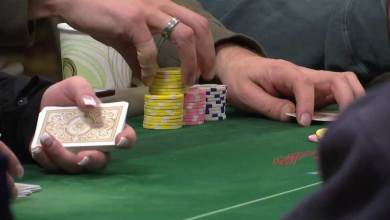
The Blacklist and the Debate Over the Worst Fictional Poker Scene Ever Filmed

Poker scenes are often used to add drama or tension in film and television. However, not all portrayals resonate well, and a recent poker scene from The Blacklist has sparked debate, with some calling it possibly the worst fictional poker scene ever filmed.
Understanding the Criticism of The Blacklist Poker Scene
The Blacklist’s poker scene has drawn criticism largely due to its lack of authenticity. Professionals and fans alike have pointed out the contrived gameplay, unrealistic betting patterns, and character reactions that feel out of place in a genuine poker setting.
These inaccuracies disrupt immersion for viewers familiar with poker, perpetuating misconceptions about how the game is truly played. Specific errors include improper hand reveals and inconsistent chip handling, undermining the scene’s credibility.
The Impact of Unrealistic Poker Scenes
Fictional poker scenes shape many people’s perceptions of the game, especially those new to poker. Inaccurate portrayals can lead to misunderstandings about strategy, etiquette, and game progression, affecting both casual viewers and prospective players.
These depictions also risk reinforcing negative stereotypes, presenting poker as purely lucky or overly dramatic rather than a skill-based game. This challenges efforts within the poker community to promote strategic understanding and responsible play.
Fictional Poker Scenes: A History of Hits and Misses
The Blacklist’s poker scene is not an isolated case. Over the years, fictional poker portrayals have ranged from iconic and authentic to bafflingly inaccurate. Classics like Rounders are praised for their genuine depiction of poker strategy, while others sacrifice realism for dramatic effect.
This tension between entertainment and authenticity remains a recurring challenge, as filmmakers prioritize character and plot over precise game mechanics. While engaging, this approach can undermine a scene’s poker credibility.
Why Poker Realism Matters in Fiction
Accurate poker depiction honors the intelligence and passion of real players while educating audiences about the game’s depth. Realistic scenes encourage appreciation for the strategic and psychological aspects of poker, potentially drawing in informed new players.
Conversely, distorted or trivialized portrayals perpetuate myths and reduce poker to a mere plot device. For creators, balancing drama with accuracy remains a creative challenge, one highlighted by The Blacklist’s flawed scene.
FAQ
What makes the poker scene in The Blacklist controversial?
The scene is criticized for unrealistic gameplay, including incorrect betting patterns, improper hand reveals, and inconsistent chip handling, which detract from the authenticity that knowledgeable players expect.
Are there examples of well-executed fictional poker scenes?
Yes, films like Rounders and Casino Royale are often cited for their realistic and engaging portrayals of poker, balancing dramatic narrative with game accuracy.
Why is accurate poker representation important in media?
Accurate depictions educate viewers about the skill and strategy involved, helping to dispel myths and promote a better understanding of the game’s complexity.
How do unrealistic poker scenes affect new players?
They can create false expectations about how poker is played, potentially leading to confusion or frustration when new players experience real games.
Does poker AI play a role in improving poker scenes in film or TV?
While poker AI advancements mainly impact online gaming and competition, they have yet to influence fictional portrayals significantly but could offer tools for creating more realistic simulations in the future.
How can filmmakers balance drama and poker accuracy?
By consulting with poker experts during script development and production, filmmakers can craft dramatic scenes that also maintain the integrity of the game.