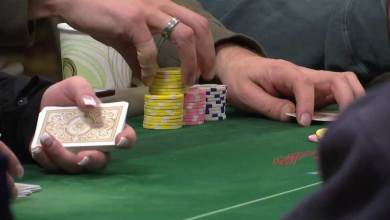
Mastering Strategic Bluffing in High-Stakes Poker
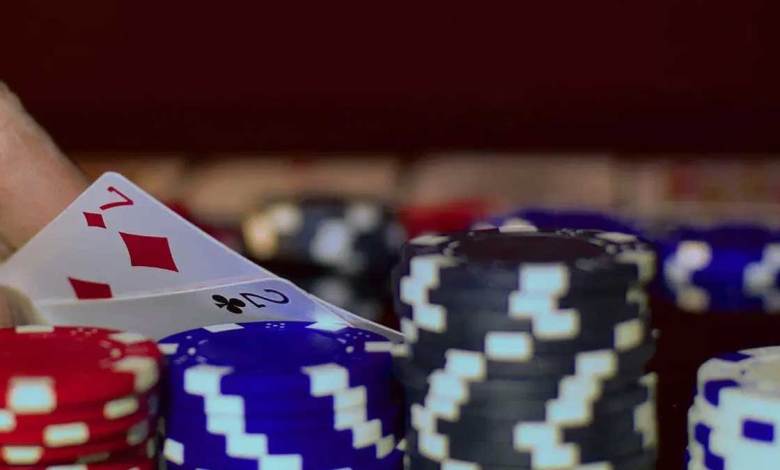
Magician Executes Multi-Street Bluff in High Stakes Showdown
Antonio Esfandiari, known as “The Magician,” recently demonstrated a high-level multi-street bluff during a special live-streamed edition of No Gamble, No Future. The play drew significant attention among professional poker circles and enthusiasts who follow high-stakes poker action.
Multi-Street Bluff Analysis
In recent years, poker has seen a range of innovative bluffing techniques emerge from competitive play. The multi-street bluff executed by Esfandiari highlights intricate strategy and calculated risk. Throughout the hand, Esfandiari maintained composure and used deception to force the hand’s progression, leaving his opponent, known colloquially as Sam “Senor Tilt” Kiki, in an uncertain position.
The Play’s Strategic Elements
The stunt involved careful consideration of pot odds, board texture, and opponent tendencies. Esfandiari’s play required well-timed bets on multiple streets, showcasing his ability to adapt his strategy in response to the evolving dynamic of the hand. This maneuver emphasized the importance of accurate reads in tournaments and high-stakes cash games. Many observers noted that the play, which involved vanishing an $80,000 pot, was a clear representation of advanced bluffing techniques rarely seen at this level.
Psychological Impact on Opponents
A key element in executing a multi-street bluff involves applying constant psychological pressure. Opponents must deal with uncertainty and second-guess their own hand strength when faced with unpredictable betting patterns. In this instance, Esfandiari deliberately pushed his opponent into a series of difficult decisions. The pressure resulted from sustained aggression that culminated in an ultimate fold, thereby eliminating potential risks associated with continuing in the pot.
Impact on Live Poker Events
Current trends in live poker demonstrate that such high-stakes maneuvers are influencing how professionals approach risk and reward. Live-streamed events have become a platform where players can showcase technical prowess and psychological strategy in real time. The play by Esfandiari provided a case study on how established professionals can shift momentum and control table dynamics with a well-timed bluff.
Audience and Industry Reaction
In recent years, the live poker community has grown increasingly engaged with events where strategic innovation is on display. Commentary from poker analysts discussed the rarity and timing of this multi-street bluff. Broadly, industry professionals have noted the importance of such moves as they illustrate the need for adaptability and keen observation of table psychology. Esfandiari’s approach, while not universally replicable, serves as an inspiration and reminder of the delicate balance between risk management and aggressive play in high-stakes scenarios.
Long-Term Relevance and Implications
The implications of executing a successful multi-street bluff extend beyond a single hand. As professional poker continues to evolve, players are constantly seeking methods to outmaneuver opponents both on and off the felt. The mastery behind such plays not only impacts immediate outcomes but also contributes to the broader strategic development within the game. Future tournaments might see more players attempting similar strategies as they strive to refine both their mathematical and psychological game components.
FAQ
What is a multi-street bluff in poker?
A multi-street bluff is a strategic play where a player bets across multiple betting rounds to pressure opponents into folding, relying on sustained aggression and calculated risk.
How did Esfandiari execute the multi-street bluff?
Esfandiari initiated a series of calculated bets over several streets, forcing his opponent to confront a difficult decision at each stage, ultimately resulting in a fold.
Why is the multi-street bluff significant in high-stakes poker?
It demonstrates advanced strategy by continuously applying pressure, challenging an opponent’s decisions, and effectively managing risk over multiple rounds of betting.
What are the common risks associated with a multi-street bluff?
The key risks include misjudging opponent strength, overcommitting chips, and facing a timely call on later streets, which can lead to substantial losses.
Can the multi-street bluff be applied in various poker formats?
Yes, while the complexity may require different adjustments, the fundamental approach of sustained pressure and strategic aggression can be adapted across live and online poker formats.