Unlock the Secrets of Live Tells in Poker
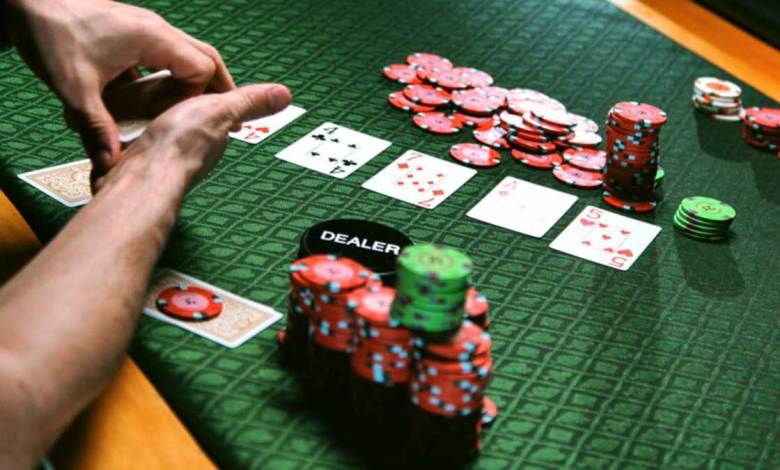
Comprehensive Analysis on Live Tells by Chris Moneymaker! In recent years, poker professionals have increasingly focused on subtle in-game clues known as live tells. The former world champion, Chris Moneymaker, has shared practical insights on these observations, emphasizing that many players overlook critical behavioral signals during tournaments.
Understanding Live Tells in Tournaments
Observations from professional poker events have highlighted a series of nonverbal cues that can influence decision-making at the table. In recent years, experts like Chris Moneymaker have drawn attention to live tells—the unconscious behaviors that players exhibit during play. These indicators may include changes in posture, variations in tone of voice, or occasional nervous gestures that many competitors disregard when under pressure.
Interview Insights and Key Observations
Moneymaker’s advice is grounded in his personal experiences and historical victories. Drawing on the prestige of winning the renowned World Series of Poker Main Event in 2003, he has outlined that noticing live tells can offer a competitive edge. By observing opponents’ shifts in body language and demeanor, players might deduce the strength or weakness of a hand. Such cues are not always obvious, yet understanding them can be vital. In many tournaments, these live tells serve as additional signals that supplement traditional betting patterns and statistical gameplay.
Importance of Discipline and Observation
While some players rely on instinctual reads, Moneymaker emphasizes a disciplined approach to interpreting live tells. Rather than jumping to conclusions, he urges competitors to document and assess these signals across multiple hands. Over time, consistent observation might reveal patterns, even if generic behaviors vary among individuals. The acknowledgment of live tells in tournament play reinforces the importance of maintaining focus and a calm demeanor, allowing players to make informed decisions based on subtle behavioral clues.
Challenges in Interpreting Live Tells
Interpreting live tells is not without its challenges. Often, the signals are ambiguous, and players risk misreading them if they rely solely on nonverbal indicators without corroborating their findings with betting behavior and overall game strategy. Moneymaker’s approach advocates for a comprehensive evaluation in which live tells are one element among many in assessing an opponent’s potential hand strength. The strategic use of live tells requires balancing intuition and careful analysis—skills that can be honed with practice and over time.
Broader Implications for Tournament Strategy
The insights shared by Moneymaker underscore a broader trend in tournament poker. As the field becomes more competitive, many players are turning to nuanced observational techniques to gain a competitive edge. Live tells are becoming a subject of discussion in poker strategy seminars and coaching sessions, highlighting their long-term relevance to both live and televised tournaments. This strategic aspect of poker is increasingly being appreciated as a complement to mathematical calculations and probabilistic assessments.
Integrating Live Tells into Game Plans
Integrating live tells into one’s tournament strategy does not involve a one-size-fits-all approach. Each table presents unique dynamics, where individual behavior and game rhythm influence the reliability of nonverbal signals. Moneymaker’s recommendations include practicing observation during low-stake games and gradually incorporating the insights into more competitive settings. The methodical use of live tells can potentially help players avoid costly mistakes and refine their overall game strategy.
Educational Impact and Future Trends
Through commentary and instructional sessions, prominent figures are encouraging newer players to consider live tells as a valuable aspect of poker education. This educational approach is reflective of the evolving landscape of live poker, where a mix of traditional skill and psychological observation plays a vital role. The long-term impact on tournament strategy is already visible, as players increasingly invest in developing observational skills and incorporating psychological insight into routine gameplay.
FAQ
What are live tells in poker?
Live tells are subtle physical or behavioral signals that players inadvertently show during a game. These signs can offer insights into an opponent’s hand strength or emotional state, though they are not always reliable on their own.
How can players improve their observation of live tells?
Players can improve their ability by practicing observation in low-stake games, studying opponents’ behaviors, and integrating these cues with other elements of their strategic play.
Why does Chris Moneymaker emphasize live tells?
Chris Moneymaker stresses that live tells can offer additional layers of information in tournaments. His advice reflects decades of tournament play where subtle cues have sometimes determined the outcome of key hands.
Can live tells replace traditional poker strategies?
No, live tells should be used in conjunction with solid game theory and betting strategies. They provide supplementary information but need to be considered alongside other factors.
What role do live tells play in tournament settings?
Live tells are increasingly important in tournaments. As stakes and competition levels rise, paying close attention to opponents’ behavior can yield critical insights and help inform tactical decisions.